Sync your font library
Use synced font folders and shareable tag backups to access the same fonts on multiple Macs.
Importing synced locations
Typeface imports fonts directly from any folder available on your Mac. Your font files aren’t copied or moved when importing.
That means that you can sync your fonts using a cloud storage solution of your choice, such as iCloud, Dropbox, Google Drive, OneDrive etc. Or you can import a folder directly from a network share.
Drag and drop your synced folder from Finder into the app to import it. Or choose > > from the main menu. Learn more about importing locations

Typeface automatically scans for new, moved and removed font files in all imported locations on launch. If you’ve added new font files they’ll become visible in your library automatically when restarting the app.
You can manually refresh a location by following these steps:
- Right click (or Control-click) on an imported location in the sidebar
- Choose from the context menu
Cloud synced locations
When you sync your fonts using cloud storage you need to make sure the synced files are available locally on your Mac. In order to preview the fonts Typeface needs access to the files. Depending on the cloud sync solution your font files may be automatically moved from your Mac to the cloud to save space.
If the fonts are not stored locally then they’ll need to be downloaded first. These file will show a small cloud icon with down arrow next to their name in Finder. To make the font files available locally on your Mac please follow the instructions below for your cloud storage solution.
iCloud
Files synced using iCloud may be automatically moved to the cloud when Optimise Mac Storage is enabled (see > > ). This means that the fonts will not be accessible by Typeface.
- Right click (or Control-click) on your font folder in Finder
- Choose
On macOS Sequoia and later the option will also be available in the context menu, which prevents the files from being moved to the cloud automatically. Your Desktop and Document files are stored in the cloud if > > > is enabled.
For more information please see iCloud support
Dropbox
Font files synced using Dropbox need to be available offline on your Mac. If the files are available on demand they may be automatically moved to the cloud to save space.
- Right click (or Control-click) on your font folder in Finder
- Choose
For more information please see Dropbox support
Google Drive
Your files can be streamed or mirrored. Mirrored files should always be available locally on your Mac. If your synced files are streamed you need to make sure your fonts are available offline.
- Right click (or Control-click) on your font folder in Finder
- Choose
Files and folders that are available offline will show a green checkmark icon. For more information please see Google support
Microsoft OneDrive
You can choose between Files On-Demand or Download all OneDrive files in the OneDrive preferences. If your synced files are available On-Demand you need to make sure your fonts are always kept on your device.
- Right click (or Control-click) on your font folder in Finder
- Choose
Files and folders that are available offline will show a checkmark icon. For more information please see OneDrive support
Syncing tags
Your custom tags are stored separately from your font files and locations — they’re not synced automatically. If you’d like to have the same tags on multiple Macs, or share them with colleagues you can manually export & import them.
Export your tags by choosing > > from the main menu. Then transfer the backup file to another Mac, for example by storing it in a synced folder.
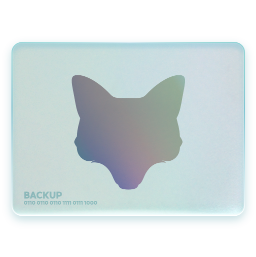
Double click on the exported file to import the tags on another Mac. The tags will be applied to currently imported fonts. So make sure to import the fonts first, then apply the tag backup.